Alcatraz Prison Cell Blocks
Step inside the Cellhouse and trace the routines, restrictions, and eerie stillness that defined daily life inside America's most famous federal prison.

Step inside the Cellhouse and trace the routines, restrictions, and eerie stillness that defined daily life inside America's most famous federal prison.
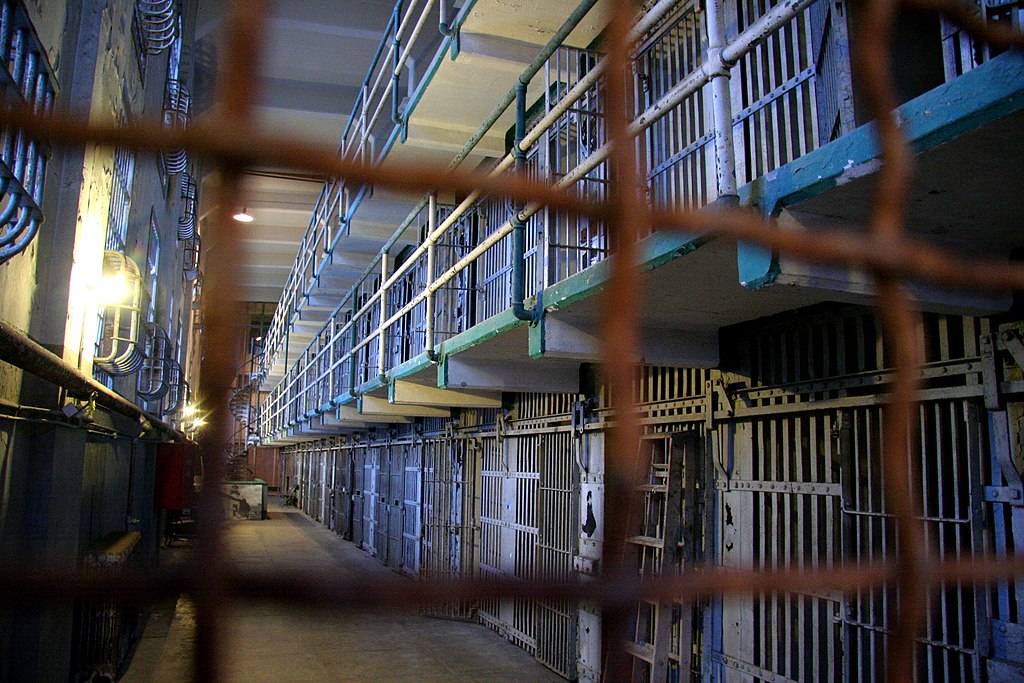
The Cellhouse is the image most travelers associate with Alcatraz: narrow corridors, barred tiers, and compact cells arranged for total surveillance. Walking through it turns the legend of The Rock into something immediate and physical.
Visitors move past standard cells, isolation areas, and communal spaces that show how prison life balanced monotony with constant control. The preserved layout helps explain why Alcatraz felt severe even by maximum-security standards.
This section of the island also connects many of the stories visitors know best, from notorious inmates to the routines described in the audio tour by former guards and prisoners.
Explore more Alcatraz highlights
The stacked cell tiers let you understand how movement, noise, and visibility were controlled inside the prison.
The small cells reveal how little private space inmates had and why the prison developed such a harsh reputation.
Nearby communal areas show that even meals were tightly managed, with strict schedules and heavy supervision.
Former inmates and officers describe what these corridors felt like, giving the preserved spaces emotional weight.
The layout allowed guards to watch long stretches of the building while directing inmate movement with minimal freedom.
Concrete, steel, and plain finishes were functional rather than comforting, reinforcing discipline over livability.
Even when crowded, the cell blocks feel psychologically narrow. That sense of confinement is central to the Alcatraz experience.
Move slowly, listen to the narration, and compare standard cells with punishment areas to understand the prison hierarchy.
