History of Alcatraz Island
Military outpost, federal penitentiary, and now historic landmark: Alcatraz compresses more than a century of Bay Area history into one small, unforgettable island.

Military outpost, federal penitentiary, and now historic landmark: Alcatraz compresses more than a century of Bay Area history into one small, unforgettable island.
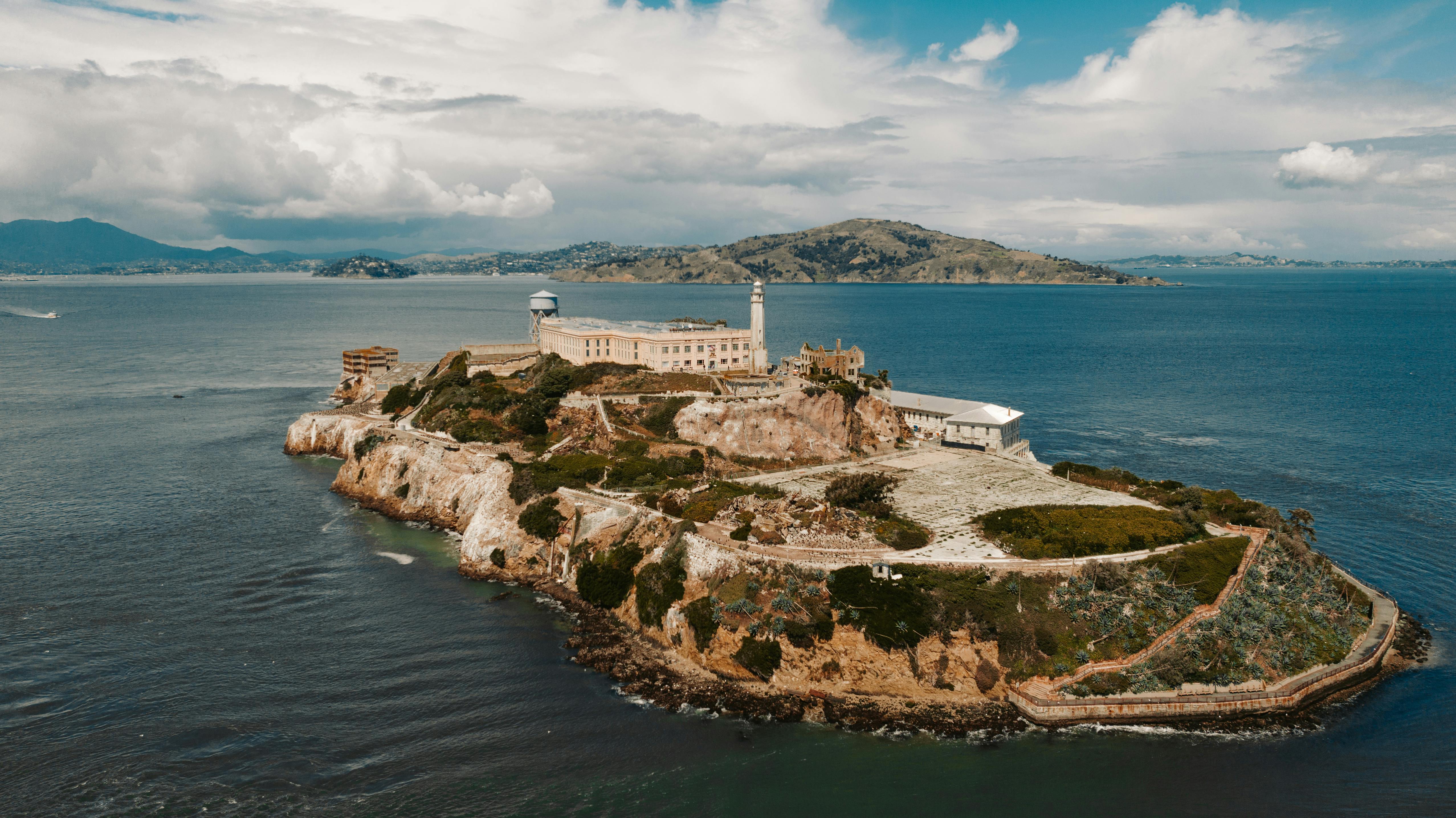
Alcatraz first mattered strategically before it became infamous. In the mid-19th century, the island served military purposes tied to the protection of San Francisco Bay, which gave it an enduring reputation for isolation and control.
In 1934, the federal government transformed the island into a maximum-security prison intended for inmates considered especially difficult or dangerous. That period created the stories most visitors know today, from strict routines to headline-making escape attempts.
After the prison closed in 1963, Alcatraz entered a different chapter. Preservation and interpretation turned the island into a place where visitors can examine both myth and documented history in the same walk.
Explore Alcatraz landmarks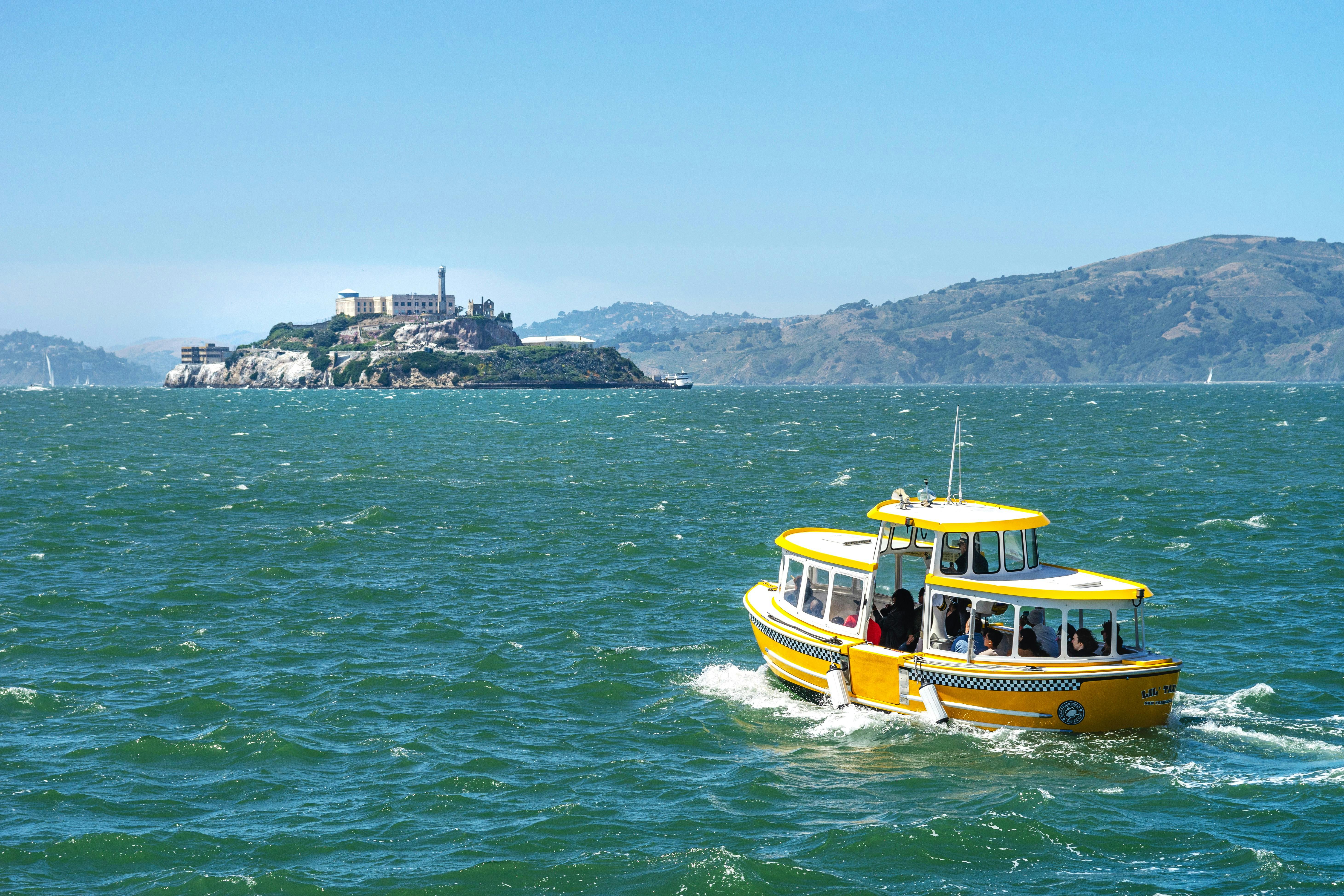
The island's earliest role was defensive, tied to the protection of a rapidly growing San Francisco.
Alcatraz operated as a prison from 1934 to 1963, becoming shorthand for maximum security in the United States.
The famous June 11 breakout deepened the prison's mystique and remains one of its defining stories.
Today the island is interpreted as a landmark, allowing visitors to connect architecture, landscape, and memory.
The nickname reflects both the island's physical setting and its symbolic reputation for toughness.
Figures such as Al Capone and Robert Stroud helped attach national attention to the prison.
Operating a prison on an island was expensive, and the site eventually shifted toward public history rather than incarceration.
A visit works best when you read the buildings as layers of military, penal, and preservation history.
